July 15National LMS Awareness Day
Dedicated to those who provide care and support to cancer patients. Find resources, guidance, and community support to help you in your caregiving journey.
Essential resources and support for cancer caregivers

Discover the unique qualities that make caregivers extraordinary in their support for loved ones.
Learn More
Access valuable resources designed to support caregivers through their journey.
Learn More
Practical advice and guidance for those supporting cancer patients through their journey.
Learn MoreRecognizing and supporting the vital role of caregivers
The Foundation salutes all Cancer Caregivers for their encouragement, steadfast support for their loved ones, and all the special qualities demonstrated by their commitment and dedication to do, and be, their best every day.
Guidance and resources to help caregivers provide the best care possible
If you are about to become a Cancer Caregiver, the American Cancer Society offers valuable information through their video series for caregivers.
Caregivers are a crucial part of any cancer care team. The goal of this video series is to provide educational support to caregivers as they assist with the everyday needs of cancer patients and provide self-care techniques to improve their quality of life.
Emergencies can happen, and they're almost always unexpected. That's why you should always be prepared with a backup plan for you and your loved one.
Helping your loved one prepare for medical appointments is an important part of caregiving.
Ensure that your loved one understands their treatment plan going forward. Encourage your loved one to be actively engaged and a self advocate in partnership with their oncology multidisciplinary care team.
These may be some of the hardest days of your loved one's life, but there are ways to help them find joy and face this battle with a more positive mindset.
Listen to our podcasts designed to support caregivers
A podcast focused on supporting those who provide care to cancer patients.
A self-driven Cognitive Support Therapy Concept to help caregivers manage stress and emotions.
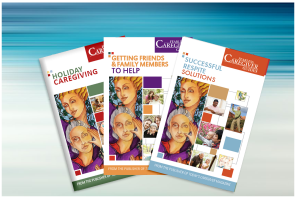
These guides provide the vital support family caregivers need to learn the skills to achieve the best care for their loved ones…and for themselves.
Access GuidesSelf-care resources for those who provide care to others

Remember that taking care of yourself is just as important as caring for your loved one. Find resources and support to help you maintain your own physical and mental well-being.
Understanding the financial and personal impact of caregiving
Unpaid caregivers in the U.S. provide services worth $470 billion according to the AARP. Around half of cancer caregivers have jobs while caregiving.
The Family and Medical Leave Act (FMLA) requires that employers with 50 or more workers allow caregivers to take off work for up to 12 weeks annually without pay to care for a parent, spouse or child.
Four states–California, New Jersey, Rhode Island and New York–passed laws enacting paid family leave programs funded through payroll taxes that allow caregivers to receive part of their usual salary while on leave.
Since 2014, 39 states have passed the Caregiver Advise, Record, and Enable (CARE) Act. This legislation, developed by AARP, requires hospitals to:
It is not easy for the caregiver to remember all that was learned in a training session. There is much information being given to patients and their families, and it can be overwhelming because of the anxiety, stress, and uncertainty of being prepared to handle things at home once discharge takes place.