Patient Education
Leiomyosarcoma Staging
A practical overview of how leiomyosarcoma is staged, how grading works, and how staging informs treatment planning and follow‑up care.
Testing Your Tumor for Cancer-Related Genes
Molecular/genomic testing for sarcoma-related genes may not be for everyone, but by staying informed and continuing to ask important questions about such testing availability allows you to self-advocate. Make sure that every avenue for testing your tumor tissue is explored — potentially making a difference in the cutting-edge treatment options and targeted therapies/immunotherapies that might be available to you.
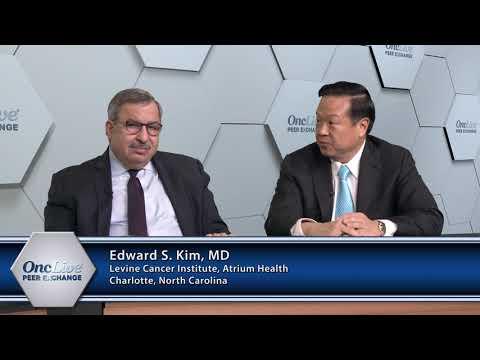
The Role of Genetic Test in Soft Tissue Sarcoma
Watch presentationHistorical information on genomic testing for sarcomas: PubMed article
How is Leiomyosarcoma Staged?
The process of finding out how far leiomyosarcoma has spread is called staging. In sarcoma staging, doctors also evaluate the appearance of the tumor under the microscope and judge how fast the cancer seems to be growing. The stage of a sarcoma is the most significant factor in determining each patient’s prognosis and in selecting treatment options.
The information needed to stage sarcomas includes biopsies and imaging tests of the main tumor (usually with CT or MRI scans) and other parts of the body where the cancer may have spread. When examining the biopsy sample, the pathologist determines the cell type and grade and estimates how rapidly it will grow and spread.
Grade (G) and the FNCLCC System
In soft tissue sarcomas, grade is part of the tumor’s stage. Under the French (FNCLCC) system, grade is based on three factors:
- Differentiation: how closely cells resemble normal cells (score 1–3)
- Mitotic count: how many cells are actively dividing (score 1–3)
- Tumor necrosis: how much of the tumor is dying tissue (score 0–2)
The scores are added to determine the grade. Higher-grade cancers tend to grow and spread faster than lower-grade cancers.
Staging the Tumor Once It Is Found
From the NCCN Guidelines for Patients (2020): Sarcoma Patient Guidelines (PDF)
Recurrence
Treatment Planning & Quality of Life
Treatment planning is important in the first steps of care. All such planning is always case-specific — it is not a “one size fits all” situation. Being proactive in your care is important, which means knowing as much as you can and asking the right questions along the way.
For quality of life maintenance/rebuilding: discuss integrative medicine and survivorship care planning with your oncologist. Sarcoma centers may have supportive resources available in survivorship clinics for patients and families.