Clinical Trials & Research Information
Understanding clinical trials, their phases, and how to find opportunities for Leiomyosarcoma research
What are Clinical Trials?
Clinical trials are research studies designed to evaluate new cutting-edge therapies using cancer patients. They provide an important opportunity for patients to be part of research efforts evaluating new chemotherapy and immunotherapy drugs/agents, new radiation therapy techniques, new surgical techniques, and creative new ways to use different cancer treatments in combination.
It is most important to discuss with your oncologist the possibility of participating in a clinical trial, especially if you did not initially respond or are no longer responding to existing conventional therapies.
This page provides essential information about clinical trials, their phases, how to find trials specific to Leiomyosarcoma, and important questions to ask when considering participation.
Clinical Trials Guidelines
What is a Clinical Trial?
Research studies designed to evaluate new therapies
A clinical trial is a research study designed to evaluate new cutting-edge therapies using cancer patients. Trials provide an important opportunity for patients to be part of research efforts evaluating:
- New chemotherapy and immunotherapy drugs/agents
- New radiation therapy techniques
- New surgical techniques
- Creative new ways to use different cancer treatments in combination
IMPORTANT NOTE
Before considering whether to participate in a clinical trial, learn as much as possible about the clinical trial, do as much investigation of the clinical trial as you can on your own. Then ask as many questions as you need to thoroughly understand the pros and cons of participating in the clinical trial.
Clinical Trials 101
The Basics: Understanding Clinical Trial Research
Why Should I Consider a Clinical Trial?
2025 NCCN Treatment Guidelines
Current guidelines for soft tissue sarcoma
Understanding Clinical Trial Phases
PHASE 1
First StepPHASE 2
Expanded TestingOnly treatments proven to be safe in Phase 1 studies progress to the Phase 2 stage.
PHASE 3
Comparative StudiesSafety and side effects are well monitored and evaluated by the researchers.
PHASE 4
Post-ApprovalFeatured Clinical Trials Review (2022)
What Clinical Trials Are Needed for Treatment of Leiomyosarcoma?
A comprehensive 2022 review article highlighting gaps, priorities, and directions for future leiomyosarcoma clinical trials.
This peer-reviewed review article offers detailed insights into the state of leiomyosarcoma clinical research and guidance on what types of trials are most needed. It is especially helpful for patients and families who want a deeper understanding of where the field is focusing its efforts and why.
Read Kasper 2022 Clinical Trials ReviewQuestions to Ask Your Oncologist
Suggested Pertinent Questions
Important questions to consider before participating in a clinical trial
- →Are there any other existing established treatments that I should consider before participating in this or other clinical trials?
- →What phase trial is this– Phase 1, Phase 2 or Phase 3?
- →Do I meet the eligibility criteria for the Clinical Trial that I wish to participate in?
- →What could my participation in the clinical trial mean for me in the short term / long term, based on the nature of this trial?
- →Are there known side effects or risks from the treatment I will receive in this clinical trial? If so, what are they?
- →Where will I receive the treatment — as a hospital inpatient or in an outpatient setting?
- →Must the treatment only be administered at a participating research center requiring travel to the center?
- →What is the treatment protocol — number of drugs or agents to be administered, route of administration (oral or intravenous), length of time for the administration of the treatment, how many courses of the treatment will I receive, and what is the anticipated duration of the trial?
- →Will there be patients enrolled in the trial who will not receive the drugs or agents being tested (i.e. is this a double-blind clinical trial)?
- →How will I be monitored during the clinical trial — required blood tests or radiology/imaging studies and their frequency?
- →Will serial biopsies be required as part of the clinical trial?
- →Would I be allowed to participate in the next phase of the trial, assuming the trial progresses from the phase of the trial that I am participating in?
- →Will I receive assistance/guidance on applying for participation in the trial?
Patient-Friendly Language Resources
The FDA Oncology Center of Excellence Patient-Friendly Language Project provides definitions of common terms used in cancer clinical trials for better understanding.
Visit FDA ResourceFind Leiomyosarcoma Clinical Trials
The following resources can help you locate clinical trials specifically for Leiomyosarcoma patients:
International Clinical Trials
European Trials
Sarcoma Centers — Clinical Trial Links
Browse direct links to clinical trial search pages at 60+ sarcoma and cancer centers across the United States, with search and state filtering.
Browse Sarcoma Centers DirectoryVideos & Educational Resources
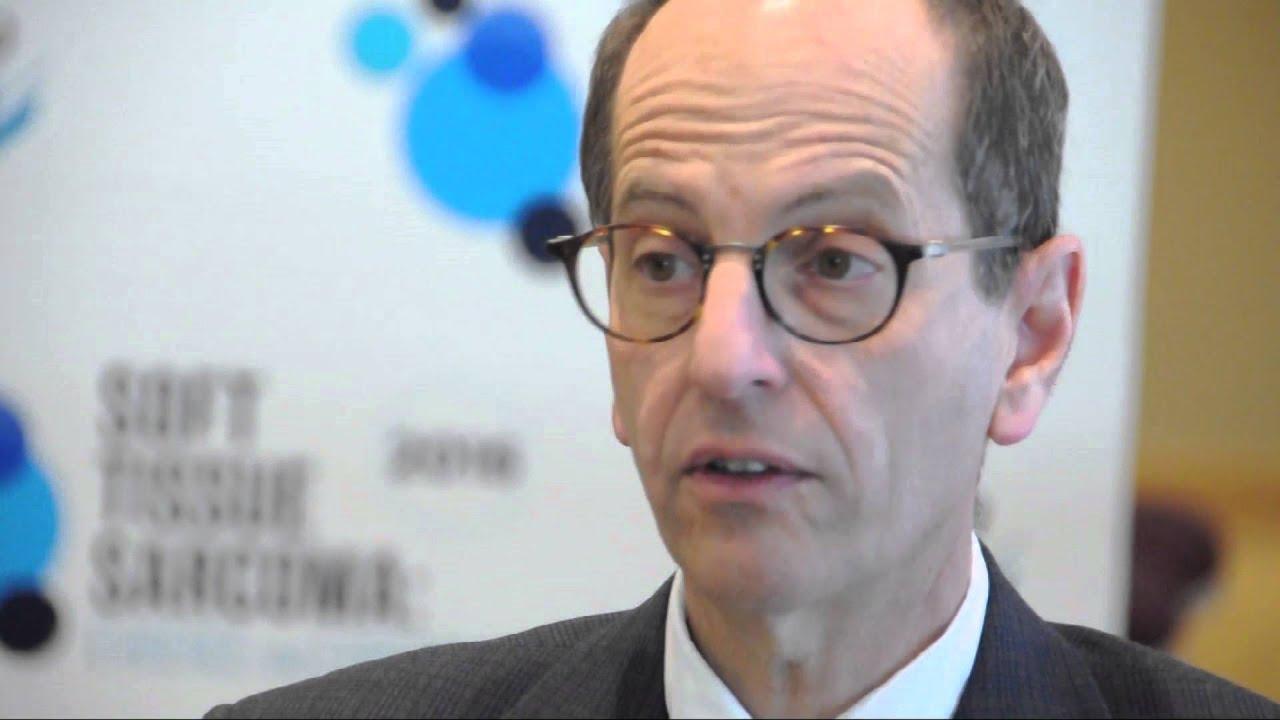
Sarcoma Clinical Trials
Dr. George Demetri, MD, Dana Farber Cancer Institute
Dr. Demetri is the Director of the Sarcoma Center at Dana-Farber, director of the Ludwig Center at Dana-Farber/Harvard Cancer Center, and executive director for Clinical and Translational Research at the Ludwig Institute for Cancer Research.
Watch Video
Informed Consent Form for Clinical Trial Participation — Guide
LLRI — Learning Labb Research Institute
Learn about the informed consent process for clinical trials and what you need to know before participating.
Clinical Trials Booklet
Offered by MD Anderson Cancer Center - More information on what you need to know before participating in clinical trials
Download PDF